Physical Address
304 North Cardinal St.
Dorchester Center, MA 02124
Physical Address
304 North Cardinal St.
Dorchester Center, MA 02124
Managing gastrointestinal side effects often becomes a primary concern for those starting GLP-1 receptor agonist therapies. Finding the best fiber supplement for ozempic constipation requires an objective look at how different soluble and insoluble fibers influence motility within the digestive tract. These medications function by slowing gastric emptying, which can lead to firmer stool consistency and reduced transit frequency.
Fiber acts as a structural agent that interacts with the luminal contents of the intestines. By increasing stool bulk and water content, certain fibers can facilitate more comfortable bowel movements. Selecting the right form depends heavily on individual tolerance and the specific physiological response to dietary changes during treatment cycles.
For many, the most effective approach involves using psyllium husk, such as Metamucil Psyllium Fiber Supplement, due to its high viscosity and ability to retain water. Gradual introduction of these supplements is essential to avoid gas or bloating. When integrated properly, these agents provide a mechanical nudge to a system slowed by metabolic therapy.
Soluble fiber functions primarily by absorbing liquid within the gastrointestinal tract, transforming into a viscous gel. This transformation provides the bulk necessary for the colon to initiate peristalsis, the rhythmic contraction of muscles that moves food through the system. When gastric emptying is delayed by medication, this gel provides the lubrication required to ease the passage of stool.
This mechanism offers a practical solution to the sensation of incomplete evacuation or systemic sluggishness. Instead of relying on harsh chemical stimulants, soluble fiber works in harmony with the body’s natural mechanics. It ensures that stool remains soft enough to pass without significant physical strain during the elimination process.
Another benefit involves the fermentation of these fibers by gut microbiota. Short-chain fatty acids are produced during this breakdown, which serve as an energy source for colonocytes. This helps maintain the integrity of the intestinal lining even when dietary patterns are restricted or altered significantly during medical weight management.
When selecting a supplement, the distinction between soluble and insoluble fiber is vital. Soluble fiber dissolves in water, making it the preferred choice for managing constipation, while insoluble fiber adds roughage and accelerates passage. For individuals on metabolic drugs, soluble options like methylcellulose, found in Citrucel Fiber Therapy, are often better tolerated as they cause less fermentation-related bloating.
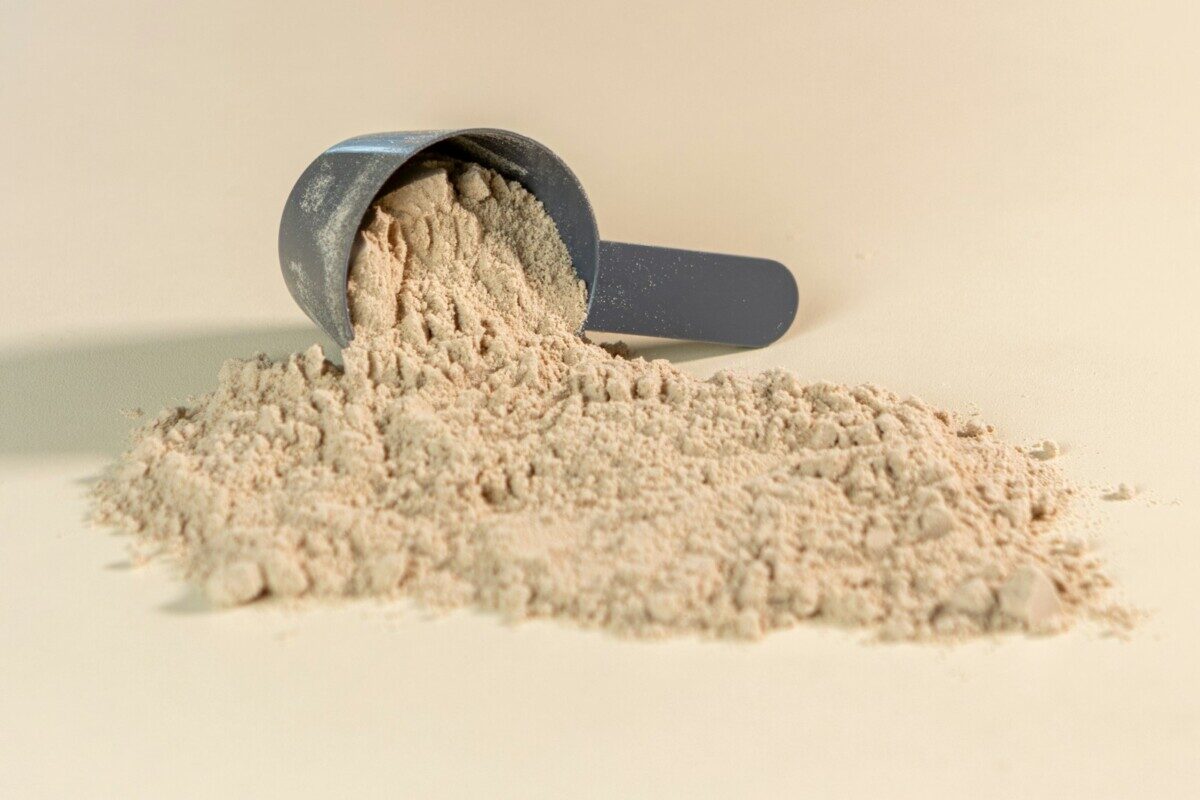
The choice between powder, capsules, and chewables often comes down to individual adherence. Powders allow for precise titration of doses, starting with small amounts and increasing as tolerated. Capsules offer convenience but may require a larger quantity to achieve the same therapeutic load found in a single scoop of powder.
It is important to review current research from the National Institute of Diabetes and Digestive and Kidney Diseases regarding dietary strategies for constipation. Their evidence suggests that fiber, when paired with physical movement, creates the most optimal environment for regular function. Relying on a single supplement without accounting for daily movement or fluid intake often results in diminished returns.
| Fiber Type | Primary Benefit | Tolerance Profile |
|---|---|---|
| Psyllium husk | High water retention | Moderate; may cause gas |
| Methylcellulose | Non-fermentable | High; less bloating |
| Acacia fiber | Prebiotic support | High; very gentle |
For those who find traditional psyllium too aggressive, acacia fiber offers a highly soluble and fermentable alternative. Products such as Heather’s Tummy Fiber Acacia Senegal are frequently noted for their low impact on gas production. Because it is a gum-based fiber, it dissolves completely in water and creates a texture that is easy to consume.
Acacia fiber works by gently modulating the transit time within the large intestine. It feeds the beneficial bacteria in the colon, which in turn helps pull water into the stool, making it easier to pass. This dual-action approach is particularly useful for those whose digestive systems have become sensitive to the changes induced by long-term GLP-1 use.
The benefit here is a more consistent and predictable bowel rhythm. By stabilizing the microbiome, this fiber promotes a healthier environment that naturally supports regular motility. It serves as a preventative tool rather than a reactive one, keeping the system moving during the times when medication levels are at their peak.
Fiber cannot perform its function without an adequate fluid volume. In the absence of water, fiber may actually exacerbate constipation by creating a dry, hard mass within the colon. This makes the physical act of elimination significantly more difficult and uncomfortable.
Maintaining a steady intake of water throughout the day ensures that the fiber supplement remains hydrated as it travels through the intestines. This fluid-fiber interaction creates the “gel” that acts as a lubricant. If you notice symptoms worsening, the first step is often to check total fluid intake rather than increasing the fiber dosage further.
Consider utilizing electrolytes to ensure that the water you consume is effectively utilized at the cellular level. Products like LMNT Electrolyte Drink Mix can provide the necessary mineral balance to support intestinal hydration. When cells are properly hydrated, the mucosal lining of the gut is better equipped to manage the bulk provided by fiber supplements.
It is generally recommended to space fiber supplements away from any oral medications. Fiber can potentially bind to medications in the stomach, which might interfere with their absorption and overall effectiveness.
Digestive adjustments using fiber usually take several days to show consistent results. The body needs time to adapt to the increased volume and for the microbiome to shift in response to the prebiotic substrate provided by the fiber.
Supplements containing harsh stimulants like senna or bisacodyl should be used with caution, as they force bowel contractions in a system that is already struggling with transit. Always prioritize bulking agents like psyllium or methylcellulose over stimulant-based laxatives.
Finding the right fiber supplement involves matching your body’s sensitivity to the specific properties of soluble fibers like psyllium or acacia. Success relies on a slow introduction, high fluid intake, and consistent daily habits rather than high-dose, sporadic usage. By balancing these factors, you can effectively manage the digestive slowdowns associated with your current health management plan.
This information is for educational purposes only and does not constitute medical advice or a recommendation for any specific health condition. Always discuss significant changes to your supplement regimen with your primary care provider, especially if you have a history of bowel obstruction or other gastrointestinal concerns.
Start by choosing a single, high-quality fiber product and begin with the smallest recommended dose while prioritizing a steady increase in your daily water intake over the next two weeks.
Get Your FREE Ultimate Vitamin Guide!
Join the VitaminProGuide community to receive science-backed supplement reviews, nutritional insights, and absorption tips, delivered straight to your inbox.
Vitaminproguide.com is reader-supported. When you buy through links on our site, we may earn an affiliate commission at no extra cost to you. As an Amazon Associate, we earn from qualifying purchases. Read our full disclosure.